How Artificial Intelligence Is Impacting Job Markets

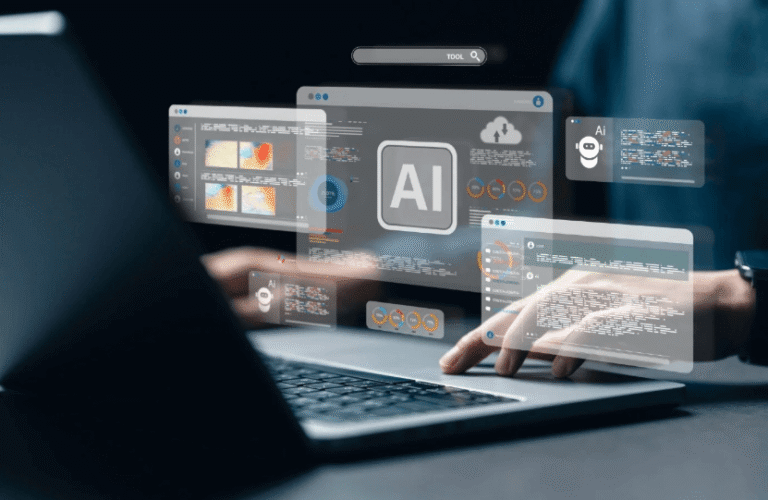
Artificial Intelligence is reshaping job markets through automation and innovation. Routine tasks are increasingly performed by machines, leading to the displacement of traditional roles. Conversely, sectors like data science and machine learning are experiencing growth, creating new job opportunities. However, this transformation has exposed a significant skills gap among the workforce. Addressing this gap is essential for adapting to an AI-driven economy, prompting questions about the future of employment and necessary training initiatives.
The Rise of Automation and Its Effects on Employment
As automation continues to advance, it significantly reshapes the landscape of employment across various sectors.
The rise of automated technologies has led to notable job displacement, particularly in routine and manual roles. This shift necessitates workforce adaptation, as employees must acquire new skills to remain competitive.
Data indicates that sectors resistant to change may face escalating unemployment rates, further complicating the labor market dynamics.
See also: How Artificial Intelligence Is Helping in Disaster Management
New Opportunities Created by AI Advancements
While concerns about job displacement dominate discussions surrounding artificial intelligence, it is crucial to recognize the new opportunities that AI advancements present for the labor market.
AI entrepreneurship is flourishing, leading to job creation in emerging sectors such as data science, machine learning, and automation services.
These developments not only enhance productivity but also foster innovation, ultimately expanding the workforce and economic potential.
The Skills Gap: Preparing the Workforce for an AI-Driven Future
The rapid evolution of artificial intelligence is not only generating new job opportunities but also highlighting a significant skills gap in the workforce.
To address this disparity, reskilling initiatives focused on enhancing digital literacy are essential.
Data indicates that organizations investing in workforce training are better equipped to thrive in an AI-driven economy, fostering an adaptable workforce prepared for future challenges.
Conclusion
In conclusion, the impact of artificial intelligence on job markets resembles a double-edged sword, simultaneously cutting away traditional roles while forging new pathways for employment. As automation encroaches on routine tasks, it becomes imperative to address the widening skills gap through targeted training initiatives. By fostering a workforce adept in emerging technologies, society can navigate this transition effectively, ensuring that the benefits of AI advancements are realized without compromising economic stability and job security.