
Superfood Guide – Nutrition & Wellness Tips | LWSpeakCare

In a world ever‑buzzing with diet fads and “miracle” foods, it’s easy to get drawn into believing there’s one “super” food that will transform health overnight. But the truth? Health is more nuanced, and the concept of superfoods requires a grounded look. In this article under the umbrella of LWSpeakCare, we’ll explore how nutrient‑dense foods can fit into your everyday nutrition, how to separate fact from marketing hype, and how to create sustainable wellness habits. You ready? Let’s dive in.
What Exactly Is a “Superfood”?
Definition and background
There isn’t a legal or scientific definition of “superfood” per se. The term tends to be used to describe foods with unusually high nutrient density—lots of vitamins, minerals, phytochemicals, antioxidants per calorie.
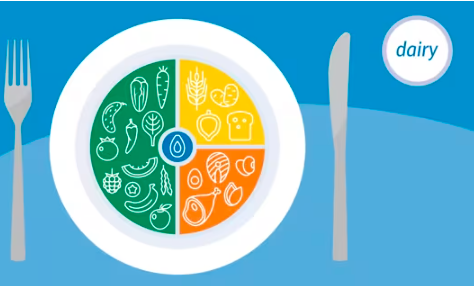
But importantly, nutrition experts caution: a food labelled “super” isn’t a magic bullet. It cannot replace a well‑balanced diet.
Why the hype?
Marketing plays a big role. Foods branded as superfoods often command higher prices and consumer interest. So from a traditional outlook: yes, the idea of a “special food” is appealing — but we must remain skeptical, ask questions, and focus on evidence.
Key characteristics typical of these foods
Here are traits that are often present in superfoods:
- High levels of antioxidants / polyphenols.
- Good source of healthy fats (e.g., omega‑3s), especially in fish, seeds.
- Rich in fibre, vitamins and minerals relative to calories.
- Often plant‑based, whole foods (rather than processed).
- Evidence (though variable) of benefits like reducing chronic disease risk.
Why Include Superfoods in Your Diet? (The Science)
Nutrient density and metabolism support
By including foods with high nutrient density, you provide your body with essential building blocks—vitamins, minerals, fibre, protective phytochemicals—without excessive calories. For instance, research shows that diets rich in such foods can help support digestive health, metabolism regulation, immune function.
Chronic disease risk reduction
Multiple reviews suggest that including “superfood‑type” items (dark leafy greens, berries, legumes, nuts/seeds, cruciferous vegetables) correlates with lower risk of conditions like cardiovascular disease, type 2 diabetes, metabolic syndrome, and some cancers. That doesn’t mean guarantee—but it means “this food helps tilt the odds in your favor.”
Gut health, inflammation & overall wellness
Emerging data show that many of these foods help reduce chronic low‑grade inflammation (which underlies many modern illnesses). Also fibre and phytochemicals support gut microbiome diversity.
A cautionary note: not a guarantee
Experts emphasise that calling a food “super” doesn’t mean you can neglect everything else: “A well‑balanced diet is foundational; superfoods are part of it, not the entire thing.” Also, some superfood claims are overstated. The term has marketing baggage.
Top Superfoods to Consider (and How to Use Them)
Here are some strong picks, drawn from evidence, with suggestions for your daily nutrition.
1. Dark Leafy Greens & Cruciferous Vegetables
Think: kale, spinach, Swiss chard, broccoli, Brussels sprouts.
- These foods are rich in vitamins A, C, K, folate, fibre and phytochemicals.
- They’ve been associated with reduced risk of heart disease and certain cancers.
- Practical tips:
- Add a handful of spinach or kale to your morning smoothie.
- Roast broccoli or Brussels sprouts with a drizzle of olive oil and a sprinkle of sea salt for dinner.
- Use chard leaves as wraps or sautéed side dishes.
2. Berries & Bright‑colored Fruits
Think: blueberries, raspberries, strawberries, dark grapes.
- They pack fibre, vitamins and antioxidants, especially anthocyanins.
- Evidence: regular berry consumption appears beneficial though effects vary by study.
- Practical tips:
- Drop berries into yogurt or oatmeal.
- Freeze a portion for smoothie use.
- Use as dessert alternative instead of sugar‑heavy treats.
3. Nuts, Seeds & Healthy Fats
Think: walnuts, almonds, flaxseed, chia, olive oil.
- Nuts and seeds provide healthy monounsaturated and polyunsaturated fats, fibre, plant‑protein.
- Healthy fats support heart health, brain health, inflammation control.
- Practical tips:
- Have a small handful of mixed nuts as a snack.
- Sprinkle flaxseed or chia into your breakfast bowl.
- Use olive oil as your main cooking or finishing oil rather than butter.
4. Legumes, Beans & Whole Grains
Think: chickpeas, lentils, beans, quinoa, bulgur.
- Great sources of plant‑protein, fibre, B‑vitamins and minerals.
- Associated with lower cholesterol, reduced heart disease risk, improved blood sugar regulation.
- Practical tips:
- Use lentils or beans in soups, stews, salads.
- Replace white rice or simple pasta with quinoa or bulgur once or twice a week.
- Try hummus (chickpeas) as a snack dip instead of chips.
5. Fatty Fish & Omega‑3 Rich Options (if non‑vegetarian)
Think: salmon, sardines, mackerel.
- These provide omega‑3 fatty acids (EPA, DHA) linked to heart and brain health.
- Practical tips:
- Aim for 2‑3 servings a week of fatty fish if your diet allows.
- Use simple preparations: grilled or baked with herbs and lemon.
- If fish isn’t an option, discuss plant‑based omega‑3 sources with your nutritionist.
Integrating Superfoods into Your LWSpeakCare Nutrition & Wellness Plan
Practical integration steps
- Start with variety: Choose at least 3 different super‑food‑type items each week (one from greens, one from berries/seeds, one from legumes/nuts).
- Build around your meals: Rather than adding one extra “superfood” randomly, integrate it into existing meals (breakfast, lunch, snacks).
- Mind portion sizes: Even healthy foods can be calorie‑dense (nuts, seeds) or lead to digestive issues if over‑consumed.
- Pair with whole foods: A superfood works best in a balanced diet—don’t rely on one alone.
- Consider local availability in Pakistan / your region: Foods accessible locally, seasonal, fresh can be just as good if not better than imported exotic items.
- Mind food processing and preparation: How you prepare matters (e.g., overcooking cruciferous greens might reduce beneficial compounds).
- Stay aware of claims: Don’t fall for marketing alone; check quality and evidence behind foods.
Wellness tips beyond nutrition
- Hydration: Drink adequate water—often overlooked but foundational.
- Physical activity: Nutrition supports but doesn’t replace movement, strength exercise, cardio.
- Sleep & stress management: These modulate how your body uses nutrients and recovers.
- Mindful eating: Enjoy your foods, chew well, listen to hunger and fullness cues.
- Sustainable sourcing: Fresh, locally-grown produce when possible; consider organic / minimal‐pesticide options.
Myths, Mis‑conceptions & What to Be Wary Of
- Myth: One “superfood” replaces the whole diet. False. The idea of a single food saving all ills is unrealistic. Experts stress that superfoods supplement but do not substitute a healthy .
- Myth: “Superfood” label equals certified health claim. Not necessarily. The term is not strictly regulated and can be used for marketing.
- Mis‑conception: Imported exotic superfoods are always better. Local produce can be just as nutrient‑rich and often more affordable and sustainable.
- Overdoing it can backfire. Over‑consumption of certain foods (especially seeds, nuts, or supplements) may lead to calorie excess, allergies or other issues.
Conclusion
In the landscape of nutrition and wellness, superfoods hold a meaningful place—but only when used wisely. If you adopt the perspective of LWSpeakCare—valuing balance, tradition, evidence, and forward‑thinking—you’ll find that nutrient‑dense foods are tools, not miracle cures. Embrace dark leafy greens, berries, legumes, nuts, seeds and healthy fats as partners in your wellness journey. Pair them with whole foods, movement, restful sleep and mindful habits—and you’ll create a strong foundation for long‑term health. Remember: health is a journey, not a single “super” destination.
FAQs
Q1: Are superfoods only for people with health issues?
A1: No—superfoods benefit anyone wanting to optimise their nutrition. They’re especially useful for disease‑prevention, but everyone can gain from nutrient‑rich foods as part of a balanced diet.
Q2: How many “superfood” servings should I aim for per day?
A2: There’s no fixed number. A practical goal: include at least one serving from a “superfood category” (e.g., greens, berries, nuts/seeds) at each main meal or as a snack. The focus should be on overall diet quality rather than a number.
Q3: Can supplements replace eating superfoods?
A3: Generally no. Real whole foods provide complex mixtures of nutrients, fibre, and phytochemicals in natural contexts that supplements can’t replicate. Nutrition experts advise whole‑food focus first.
Q4: Are exotic imported “superfoods” always better than local produce?
A4: Not always. Local, seasonal produce often has similar nutrient profiles, lower cost and better sustainability. Imported items may be marketed heavily but not necessarily vastly superior.
Q5: If I eat superfoods, can I ignore the rest of my diet?
A5: Absolutely not. Superfoods are part of the puzzle, not the whole picture. You still need variety, whole grains, lean protein, healthy fats, hydration, movement and rest. A “balanced diet” remains foundational.